A consortium of American billionaire Todd Boehly has agreed to buy Lukoil's foreign business, valued at roughly $16 billion, and to pay for it with frozen securities of Russian companies. Economist Vyacheslav Shiryaev calls this payment for lobbying the Kremlin's interests.
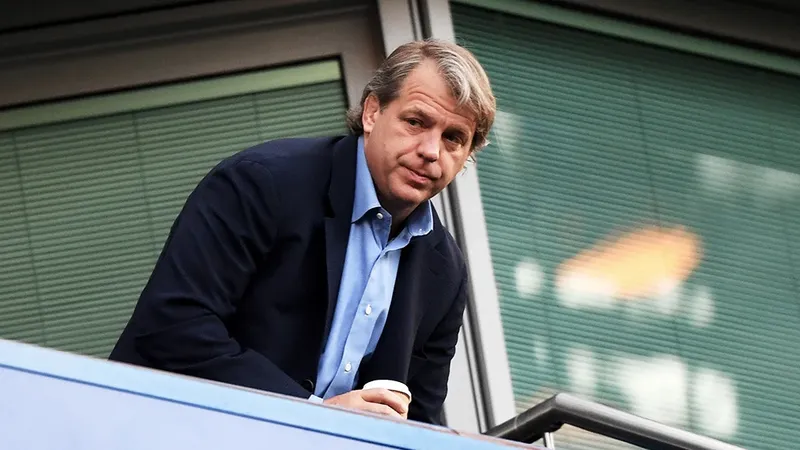
💰 American billionaire, co-owner of sports clubs and Trump donor Todd Boehly has agreed to buy Lukoil's foreign business, Mozhem Obyasnit reports. On November 25 he announced a deal with Lukoil International: the package includes oil fields, refineries and a chain of filling stations. The whole business is valued at roughly $16 billion. Nobody intends to pay in live money. The buyers will settle with frozen shares of Russian companies, which they bought up in advance from Western investors.
🏛 The makeup of the buyers deserves a line of its own. The consortium is led by Boehly's company Eldridge, and alongside it in the deal stands the DFC, the American state development finance corporation. CSIS analyst Thomas Glynn Hanley pointed this out: through the DFC, the US government gets a stake in the deal and at the same time itself decides whether to permit it. It turns out that Washington asks itself for permission and then grants it to itself.
📦 The securities that will go to Lukoil will be held in the UAE. The term is given as five years or until sanctions are lifted. According to Hanley, this scheme departs from the requirements the US set for other contenders for Lukoil's assets. In other words, some buyers were given one set of conditions, and the consortium of a Trump donor another.
🕵️ Back in October, American columnist Max Boot assessed this story as follows: "At best, a conflict of interest; at worst, outright corruption." Boot drew attention to the fact that Jared Kushner and Steve Witkoff are simultaneously negotiating an end to the war and discussing the sale of Russian assets to investors who included their own business partners. In the columnist's view, Putin is counting on tempting American negotiators with commercial projects in order to get sanctions lifted.
🧮 Economic commentator Vyacheslav Shiryaev went further and called the exchange a hidden bribe. By his account, Lukoil's foreign business is effectively being handed to the US president's circle "as payment for services in lobbying the Kremlin's interests." Shiryaev's main argument is arithmetic. The bank acting in the consortium's interests bought up frozen securities from about ten American and British funds, as well as from depositary banks that held them for private investors. The price was around 30 cents on the dollar of nominal value, that is, less than a third of their worth.
📉 Shiryaev applies this discount to the package of securities, which is valued at $10 billion, and arrives at roughly $3 billion as the buyers' cost. "Taking assets worth 16 billion for 3 billion!" the economist writes, adding that the real costs may be even lower. Strictly by the market economy textbook: you bought for $3 billion what is worth $16 billion, and the difference was paid by someone other than you.
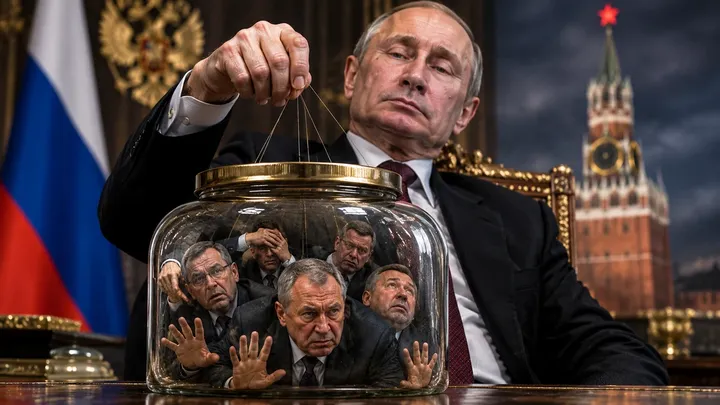
🎭 The most elegant thing about this construction, in Shiryaev's version, is who pays. The Kremlin, the economist believes, forced Lukoil's owners to give up the foreign business for the sake of loyalty from the American administration. "The briber pays not with his own money but with someone else's assets," Shiryaev puts it. He compares the possible consequences for Trump to Watergate and predicts a scandal and investigations if the US Treasury approves the deal.
🚪 Some of the participants, it seems, also fear investigations. According to data from the British business press, investors linked to Emirati Sheikh Tahnoon, as well as the Al-Hayat family, business partners of Kushner and Witkoff, have left the consortium. The journalists' source explains the reshuffle in part by fear that Congress will take an interest in these ties.
The upshot is this. A sanctioned Russian company is shedding its foreign assets not by selling at a market price but by exchanging them for securities bought at a huge discount, and they are being bought by a consortium in which the US government itself participates. Whether this is legal will be decided by the American Treasury, that is, the same government that stands on the buyer's side in the deal.
References:csis.org